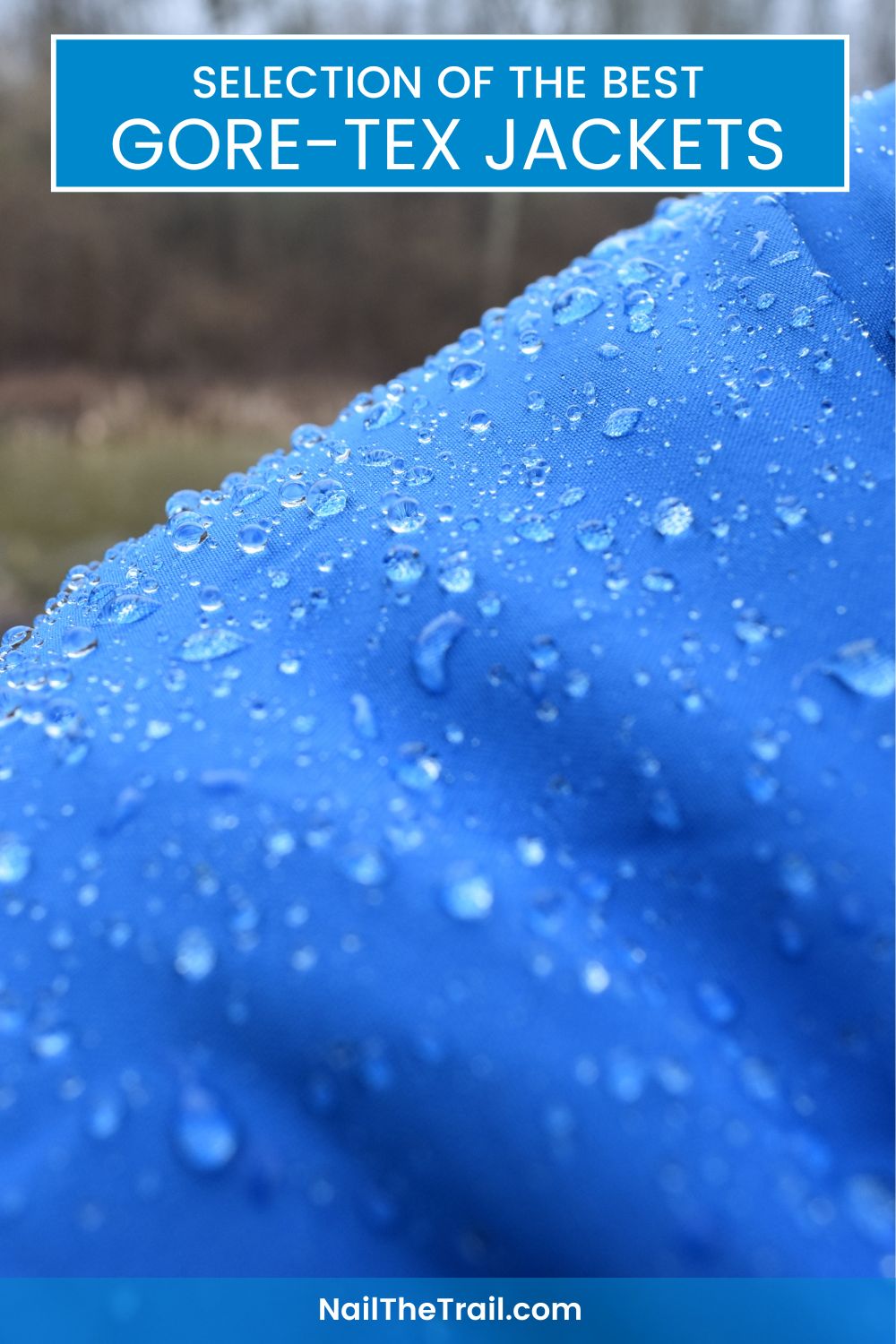
The Best Gore-Tex Jackets
For outdoor activities such as hiking, backpacking and mountaineering, high‑quality rainwear is essential. You want a shell that keeps rain, wind and snow out without making you sweat. Although numerous waterproof/breathable fabrics exist, Gore‑Tex is still the benchmark because it combines reliable weather protection with durability.
Here we selected the best five Gore-Tex rain jackets. We only listed high-quality rain jackets which in addition to the qualities of Gore-Tex also provide good durability and functionality (freedom of movement, pockets, hood etc.). Note that not all Gore-Tex jackets use the same material as the Gore-Tex fabric is available in several different versions. The most popular versions for jackets are Gore-Tex, Gore-Tex Active, Gore-Tex Paclite and Gore-Tex Pro. In the following we’ll also explain the difference between these four types of Gore-Tex fabric. To see how Gore-Tex compares to other waterproof/breathable fabrics in terms of breathability and water resistance, see the chart in our article Rainwear: Hydrostatic Head and Breathability (MVTR).
Updated Content
We regularly update our reviews and selections to always recommend you the best products on the market.
Expert Selections
We only list top-tier products. Read how our selections of best hiking products differ from others here.
Links
We use affiliate links and may receive a small commission on purchases at no extra cost to you.
1. Our Gore-Tex Jacket Picks
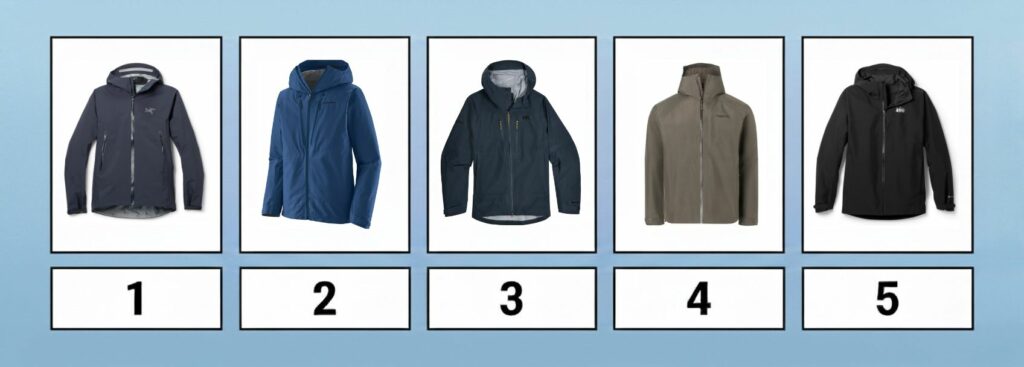
Best Gore-Tex Jackets
- Arcteryx Beta AR
- Patagonia Triolet
- Outdoor Research Headwall Gore‑Tex 3L
- Marmot Waypoint GORE TEX Rain Jacket
- REI Co-op Teris Gore‑Tex Rain Jacket
2. Comparison of Gore-Tex Jackets for Hiking

| Feature/Product | Arcteryx Beta AR | Patagonia Triolet | Outdoor Research Headwall | Marmot Waypoint | REI Teris |
|---|---|---|---|---|---|
| Weight | 16 oz. | 18 oz. | 17.7 oz. | 16.4 oz. | 24 oz. |
| Weight (Metric) | 455 g | 587 g | 363 g | 463 g | 326 g |
| Material | Gore-Tex Pro | Gore-Tex ePE | Gore-Tex ePE | 2-Layer Gore-Tex | 2-Layer Gore-Tex |
| Pockets | 3 | 5 | 4 | 3 | 3 |
| Helmet-Compatible Hood | Yes | Yes | Yes | No | No |
3. The Selection
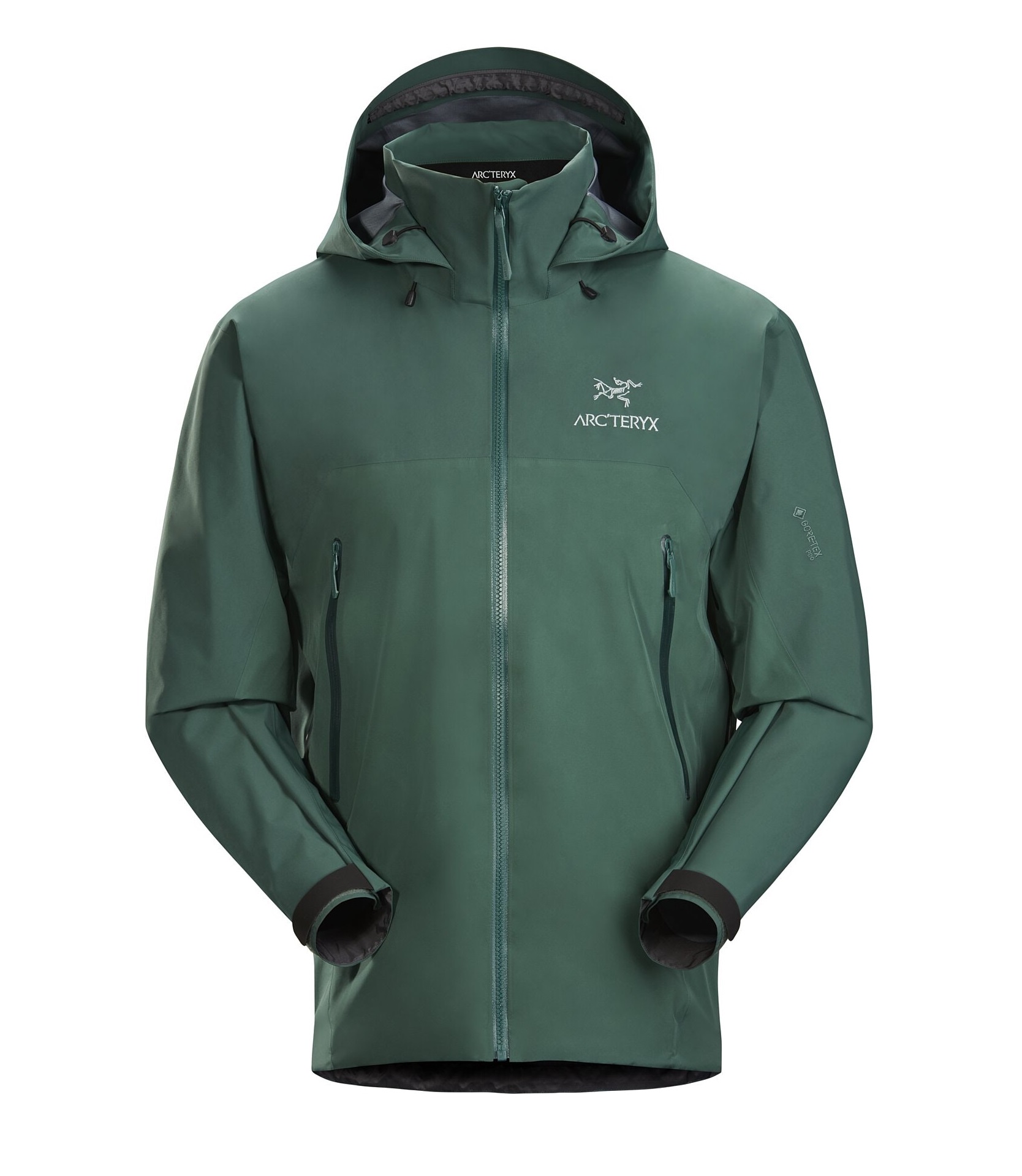
Arc’teryx Beta AR
Arcteryx Beta AR
Suitable for:
- Hiking
- Trekking
- Mountaineering
- Backpacking
- Alpinism
- ski touring
Arc’teryx’s Beta AR is one of the most respected hardshell jackets on the market. The latest version uses the rugged 3‑layer Gore‑Tex Pro membrane, with lighter 40‑denier fabric across most of the jacket and tougher 80‑denier panels on the hood and shoulders. This zoned construction balances weight and durability. The jacket in size M weighs around 15.6 ounces. Weather protection is outstanding – the superb membrane blocks wind, rain and snow, and the fully taped seams and waterproof zippers prevent water ingress. Arc’teryx pays close attention to details and that’s why the jacket has micro-seams for reduced bulk, RECCO reflectors and a helmet compatible hood with laminated brim. It also has internal collar for extra warmth, pit zips for better ventilation, two hand pockets and an internal chest pocket. The Beta AR’s fit is tailored but roomy enough for layering; however, some testers find it slightly short for skiing.
Women's Version: Available - Arcteryx Women's Beta AR
Note: Women's version might slightly differ from the men's version.
Pros:
- Outstanding weather protection
- Durable fabrics
- Quality construction
- Pit zips for better ventilation
Cons:
- Expensive
- A bit heavier and bulkier than lightweight shells
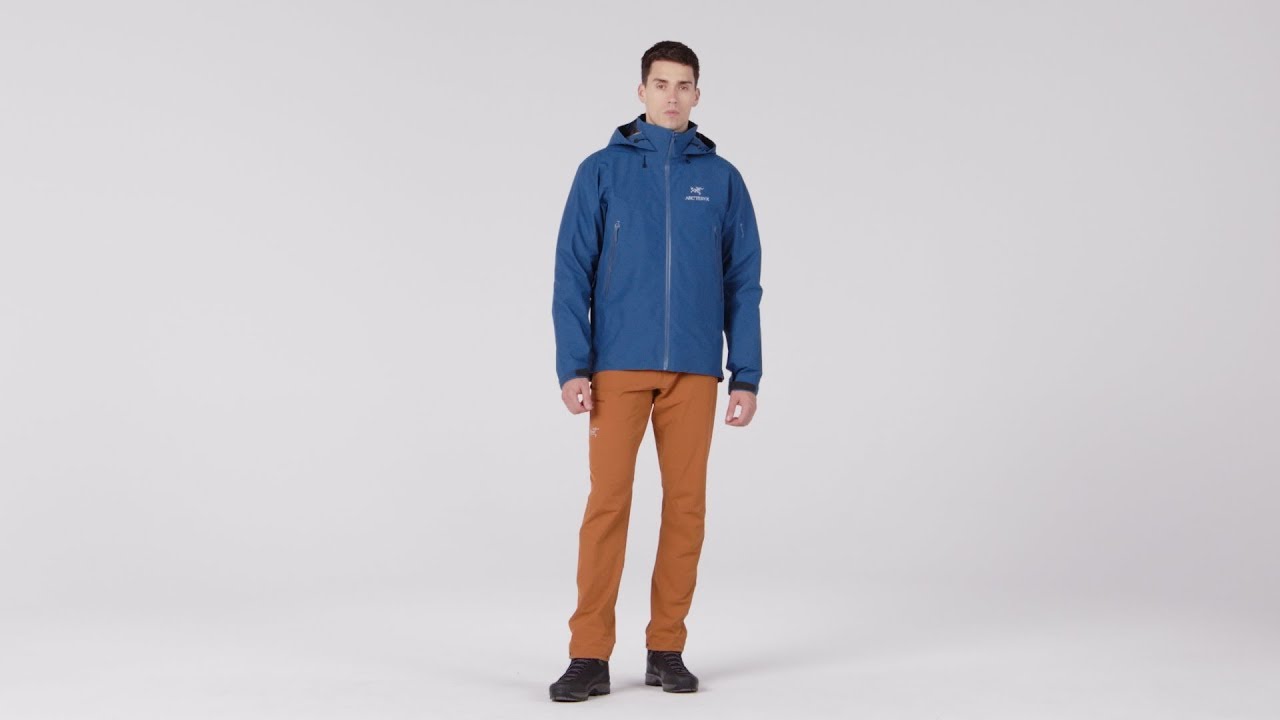
Video
Patagonia Triolet Gore-Tex Jacket
Patagonia Triolet
Suitable for:
- Hiking
- Trekking
- Mountaineering
- Backpacking
- Ski touring
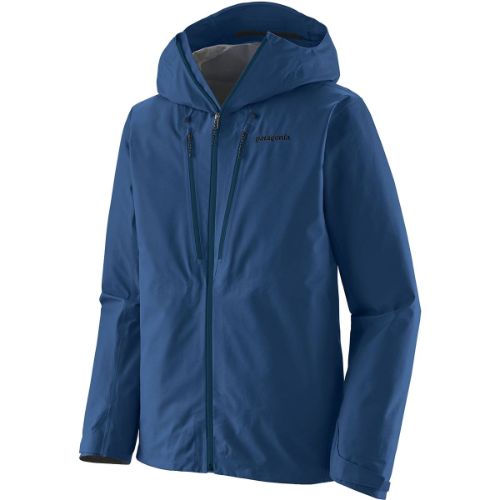
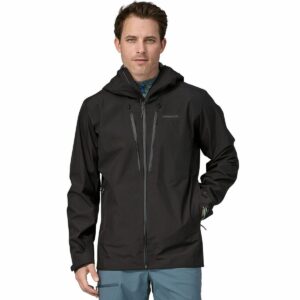
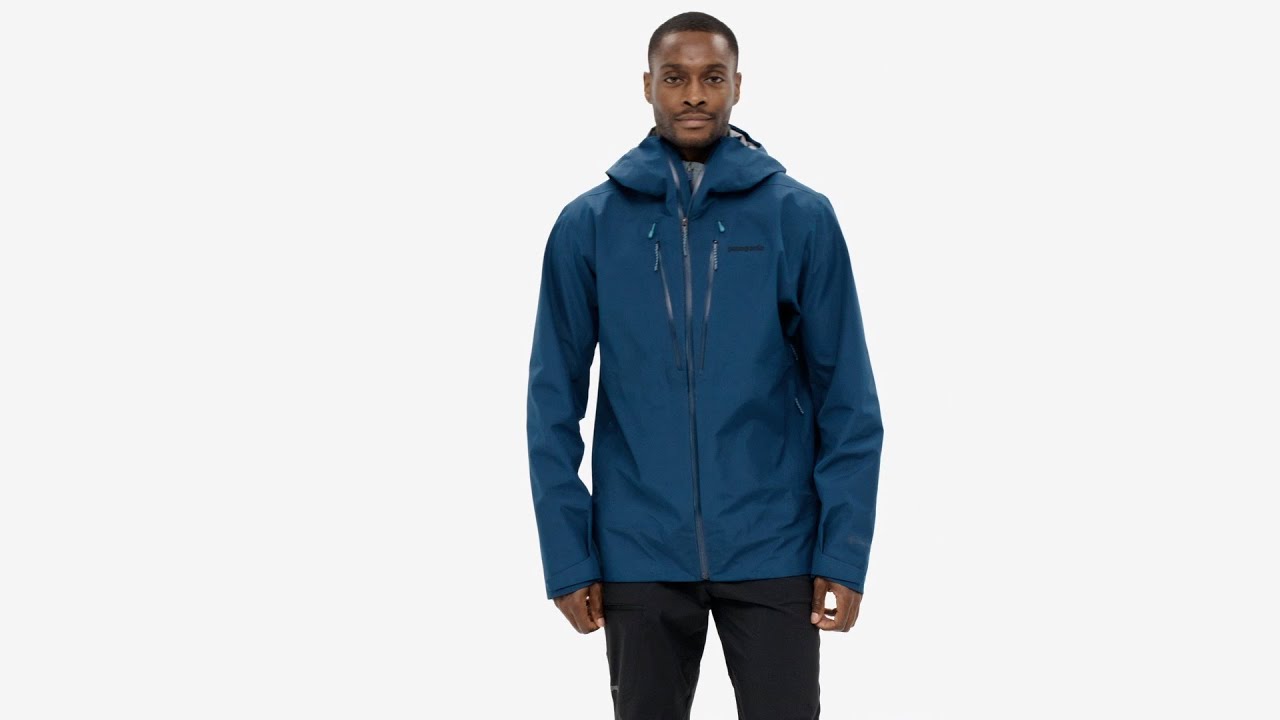
Patagonia’s Triolet is built around the brand’s more sustainable Gore‑Tex ePE membrane. The jacket uses a thick 75‑denier face fabric and a 3‑layer ePE construction that provides great protection against the weather and abrasion. The latest version weighs around 1 lb 2 oz and includes five pockets – two hand pockets, two chest pockets and an internal pocket. The extended cut, helmet‑compatible hood, tall collar and glove‑friendly cuffs make the Triolet ideal for winter and alpine use. Patagonia updated the membrane to Gore‑Tex ePE, which is lighter and uses fewer chemicals. However, the PFC‑free DWR coating washes off faster and may require more frequent maintenance. See how to re-waterproof your rain jacket here. Some users find the jacket’s too baggy and the fabric too stiff. Nevertheless, the rugged build and reasonable price make it an attractive option skiing and mountaineering. Compared with the Beta AR, the Triolet offers more pockets and costs less but it also weighs a bit more.
Women's Version: Available - Patagonia Women's Triolet Jacket
Note: Women's version might slightly differ from the men's version.
Pros:
- Very durable fabric
- Five pockets
- Sustainable ePE membrane; PFC‑free DWR
Cons:
- Heavy compared to other shells
- Stiff fabric
- Breathability could be better
- DWR washes off faster
Video
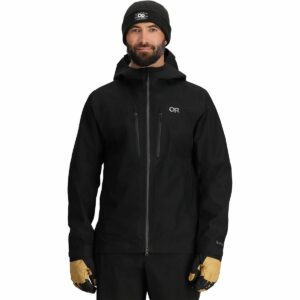
Outdoor Research Headwall Gore‑Tex 3L
Outdoor Research Headwall Gore‑Tex Jacket
Suitable for:
- Hiking
- Trekking
- Backpacking
- Mountaineering
- Ski Touring
- Alpine Climbing
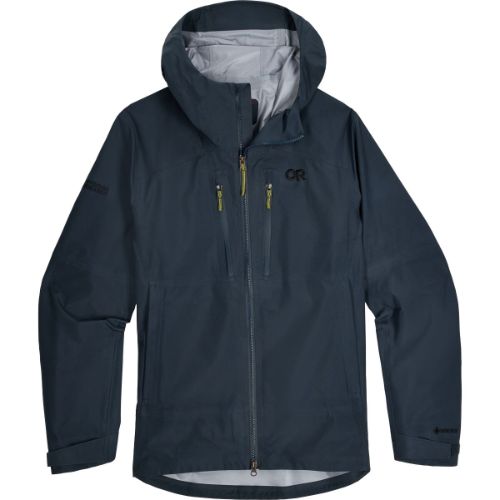
Seattle‑based Outdoor Research designed the Headwall jacket for wet and rugged conditions. This hardshell uses a 3‑layer Gore‑Tex ePE membrane and a 75‑denier shell, providing durability and waterproofness. The standout feature is Outdoor Research’s TorsoFlo ventilation system which are basically long underarm zips that run from the bicep to the hem on both sides. These vents can be opened from the top or bottom, allowing you to cool down while wearing a harness or backpack. The boxier fit leaves space for layers, and the helmet‑compatible hood easily fits climbing and ski helmets. The jacket weighs around 1 lb 1.7 oz (men’s) and includes four pockets (two hand and two chest pockets). Smooth YKK zippers, glove‑friendly toggles and long Velcro cuffs add to the functionality. This jacket faces hard competition from the Patagonia Triolet, which is made of similar materials but costs less. Nevertheless, the hem‑to‑pit vents are usable and that’s a feature the Triolet jacket doesn’t offer.
Women's Version: Available - OR Women's Headwall Jacket
Note: Women's version might slightly differ from the men's version.
Pros:
- Long TorsoFlo vents
- Durable 75 D shell with 3‑layer Gore‑Tex ePE membrane
- Quality zippers and toggles
Cons:
- Heavy
- Doesn’t pack small
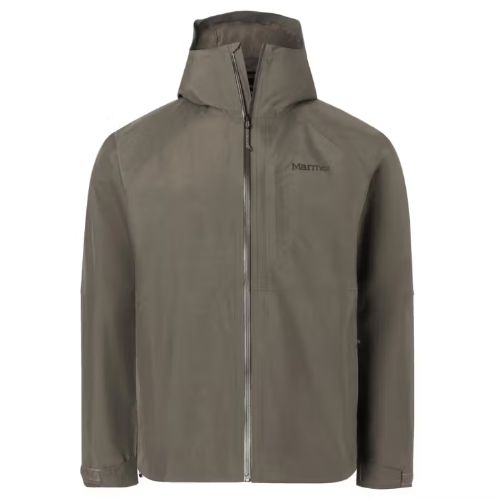
Marmot Waypoint Gore-Tex Jacket
Marmot Waypoint Gore-Tex Jacket
Suitable for:
- Hiking
- Backpacking
- Commuting
- Travel
Marmot’s Waypoint is a versatile everyday rain shell that provides great performance. Unlike the other jackets in this article, it uses a 2‑layer Gore‑Tex laminate with a DriClime mositure-wicking liner for added comfort. Underarm pit zips help regulate temperature and and raglan sleeves maintain mobility and comfort when wearing a backpack. The jacket is fully seam‑taped and weighs around 1 lb (466 g). It packs relatively small. Two zippered hand pockets and a hidden chest pocket provide secure storage. A fixed hood with peripheral cord adjustment, Velcro cuffs and a drawcord hem help keeping you dry in bad weather. Because this is a 2‑layer jacket, it does not offer the same durability or breathability as other jackets in this review for serious alpine pursuits. However, it’s less expensive and lighter than the Gore‑Tex Pro or ePE options above. The Waypoint is a good choice for hikers who want reliable waterproofing for a good price.
Women's Version: Available - Marmot Women's Waypoint Jacket
Note: Women's version might slightly differ from the men's version.
Pros:
- Lightweight, packable 2‑layer Gore‑Tex fabric
- DriClime liner and pit zips improve comfort and ventilation
- Affordable compared to 3‑layer shells
- Useful pocket layout with hidden chest pocket
Cons:
- Less durable and less breathable than 3‑layer shells
- Hood is fixed and not helmet‑compatible
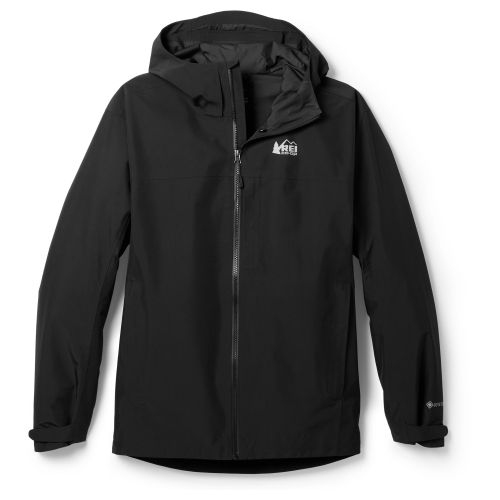
REI Teris GTX Gore-Tex Jacket
REI Teris Gore‑Tex Jacket
Suitable for:
- Hiking
- Trekking
- Backpacking
- Mountaineering
- Commuting
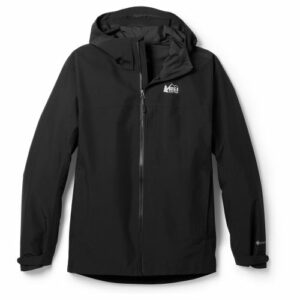
REI’s Teris GTX Rain Jacket is a 2‑layer shell designed for harsh weather. It uses a Gore‑Tex waterproof/breathable membrane paired with a solid polyester taffeta liner for comfort. The jacket is fully seam‑taped and features pit zips that run down the sides for better ventilation. The jacket also has a helmet‑compatible hood with dual front bungees and a rear adjustment, and a stiff brim which protects your face in heavy rain. A generous cut, slightly longer sleeves and a droptail hem provide a lot of room for layering and extra coverage. Storage includes a zippered chest pocket large enough for a smartphone and two lined handwarmer pockets. Velcro wrist cuffs and dual hem drawcords allow for a secure fit, and the hand pockets sit high enough to work with a backpack hipbelt. The Teris GTX is despite 2-layer Gore-Text fabric quite heavy and doesn’t pack small, mostly because of the inner liner.
Women's Version: Available - REI Women's Teris GTX
Note: Women's version might slightly differ from the men's version.
Pros:
- Pit zips
- Comfortable liner
- Good pocket configuration
Cons:
- Heavy and not very packable
4. Gore-Tex Jacket Buying Advice – What is important?
Type of Gore-Tex Fabric
Not all Gore-Tex fabrics are the same. Gore uses several different membrane constructions, each optimized for specific activities and priorities such as breathability, durability, and weight.
Standard Gore-Tex is the most versatile option and works well for hiking, trekking, and everyday outdoor use. It offers reliable waterproofing and wind protection but is heavier and less breathable than more specialized versions. Its lower price point makes it attractive for users who want dependable performance without paying for premium features.
Gore-Tex Active is designed for high-intensity activities. It is very lightweight and highly breathable, making it ideal for speed hiking, trail running, cycling, and ski touring. The trade-off is reduced durability and less protection in severe weather conditions.
Gore-Tex Paclite focuses on minimal weight and packability. Jackets using Paclite are excellent as emergency shells that live in your backpack and come out when the weather turns bad. They are lightweight and compact but feel stiffer and are less breathable than Active or Pro.
Gore-Tex Pro is the most advanced and durable membrane. It is always a three-layer construction and built for demanding alpine use, mountaineering, and expeditions. These jackets are expensive but offer the highest level of weather protection and long-term durability.
Newer Gore-Tex ePE membranes aim to maintain high performance while reducing environmental impact, and they are becoming increasingly common in premium shells.
Waterproofing, breathability, and DWR
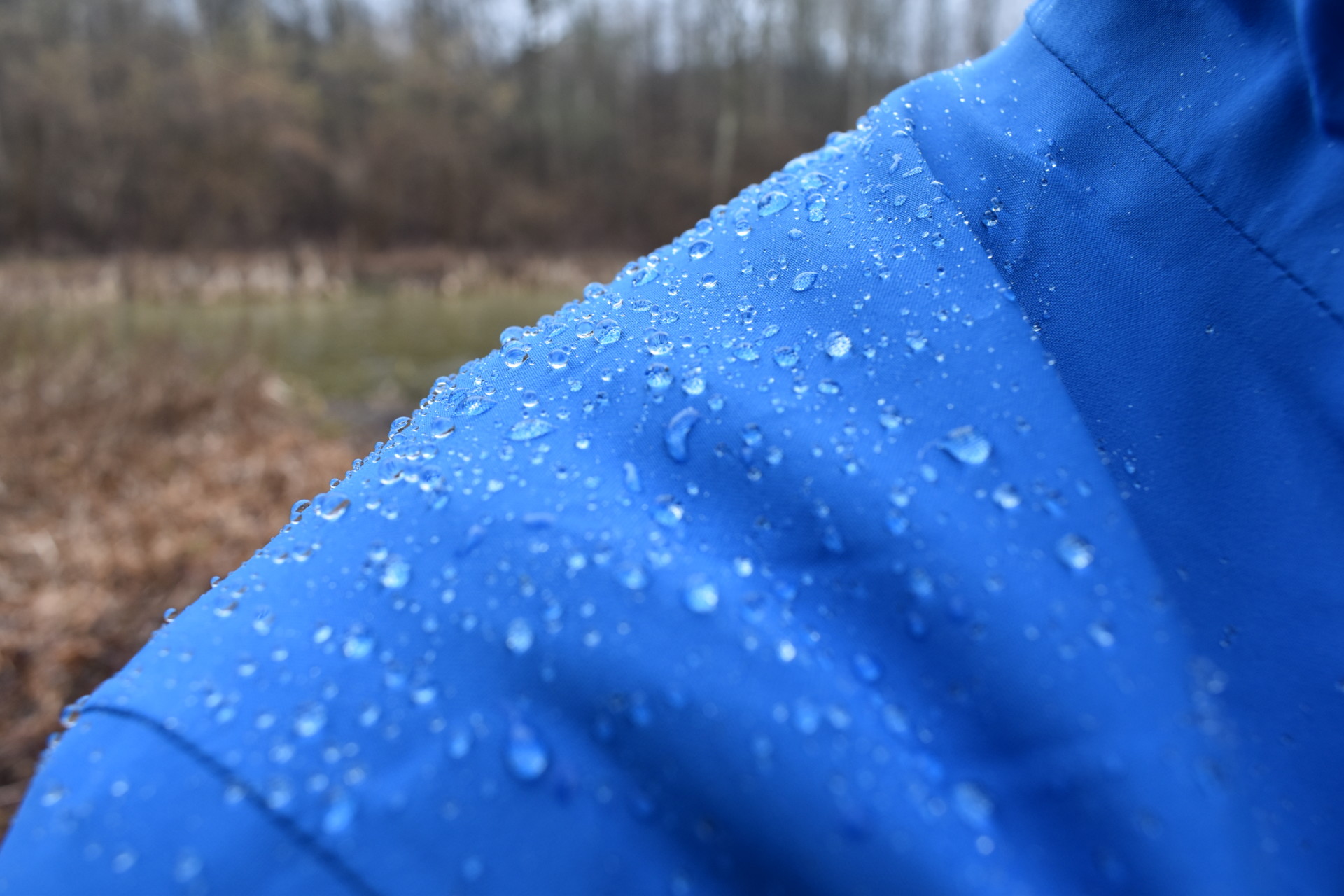
DWR prevents the fabric from getting soaked
While waterproofing is what sells Gore-Tex jackets, breathability is what determines how comfortable they are in real use. Most people don’t get wet in a shell because rain gets in but they get wet because sweat can’t get out. During hiking, climbing, or ski touring, your body produces a surprising amount of moisture, even in cold conditions. If that moisture is trapped inside the jacket, condensation builds up and you end up damp, chilled, and uncomfortable.
Breathability describes how efficiently water vapor can escape through the membrane. Gore-Tex achieves this by using microscopic pores that are small enough to block liquid water but large enough to allow moisture vapor to pass. However, breathability varies significantly between different Gore-Tex membranes. Gore-Tex Active and Gore-Tex Pro are designed to move moisture more efficiently and are noticeably more comfortable during sustained movement. Standard Gore-Tex and Paclite prioritize versatility or packability and can feel warmer and more humid during high output.
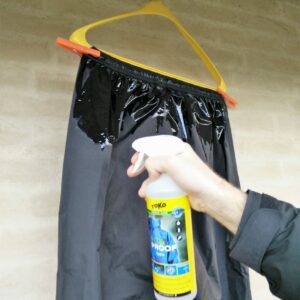
The outer fabric also plays a major role. Gore-Tex jackets rely on a Durable Water Repellent (DWR) coating to prevent the face fabric from absorbing water. When the outer fabric wets out, breathability drops dramatically, even if the membrane underneath is still waterproof. Moisture vapor can no longer escape efficiently, causing sweat to condense inside the jacket.
Because of this, maintaining the DWR finish is essential for breathability, not just waterproofing. Regular washing, heat activation, and occasional re-application help keep the jacket performing as intended. Even with the most breathable membrane available, mechanical ventilation such as pit zips remains important, as no waterproof fabric can fully keep up with high exertion on steep ascents or in mild temperatures.
Fabric thickness, durability, and weight
Fabric durability is often indicated by denier (D), which measures the thickness of the yarn used in the face fabric. Higher denier fabrics are more abrasion-resistant but heavier and less packable.
Low-denier jackets (around 20D–30D) are ideal for hiking and backpacking where weight savings matter most. They are comfortable and compact but less resistant to abrasion. Mid-range fabrics (40D–80D) offer a good balance and are common in all-round alpine shells. High-denier fabrics (100D and above) are extremely durable and suited for mountaineering and harsh environments, but they do add a lot to the weight.
Choosing the right balance depends on how rough your typical terrain is and how much weight you are willing to carry.
Fit, comfort, and mobility
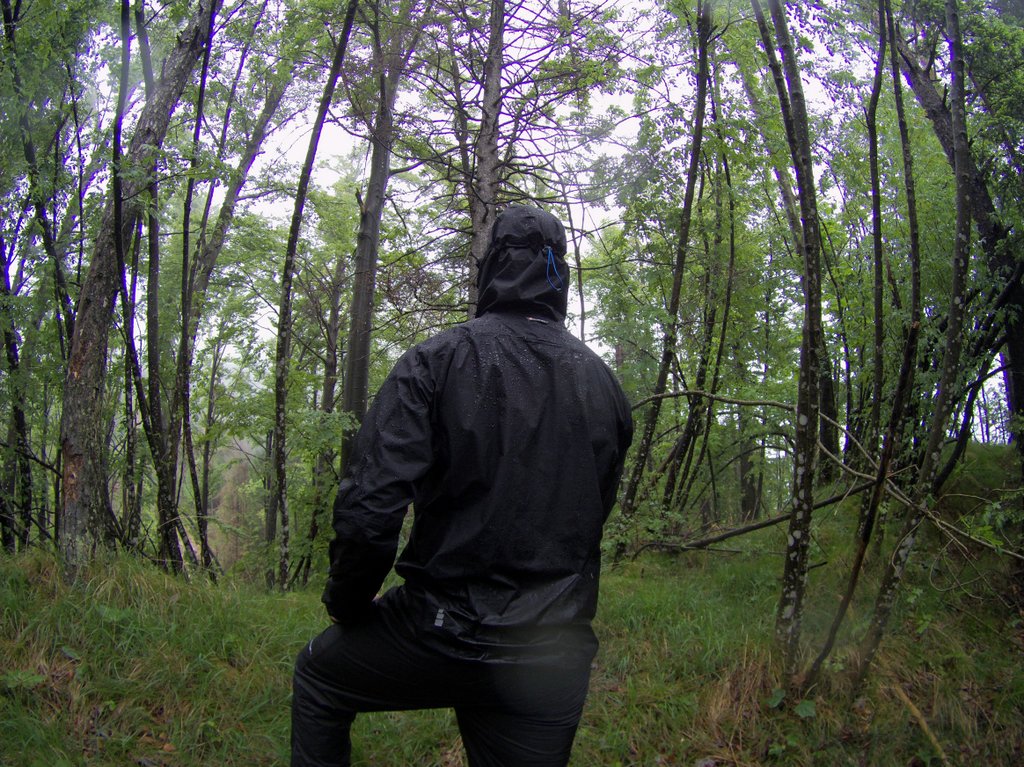
A Gore-Tex jacket must provide good freedom of movement
Fit has a major impact on comfort and usability. A Gore-Tex jacket should allow room for layering without feeling bulky or restrictive. Most shells use a regular fit, while alpine-oriented models are often trimmer to reduce bulk and improve mobility.
Sleeve length and hem coverage are especially important. Short sleeves ride up during overhead movement, and a short hem can expose your lower back when bending or wearing a harness. Traditional hardshells can feel stiff and noisy, especially in thicker fabrics, which may restrict movement.
Modern designs increasingly incorporate stretch or improved patterning to enhance comfort without sacrificing weather protection. Small details like soft chin guards, adjustable cuffs, and well-designed collars also contribute significantly to long-term comfort.
Hood design and helmet compatibility
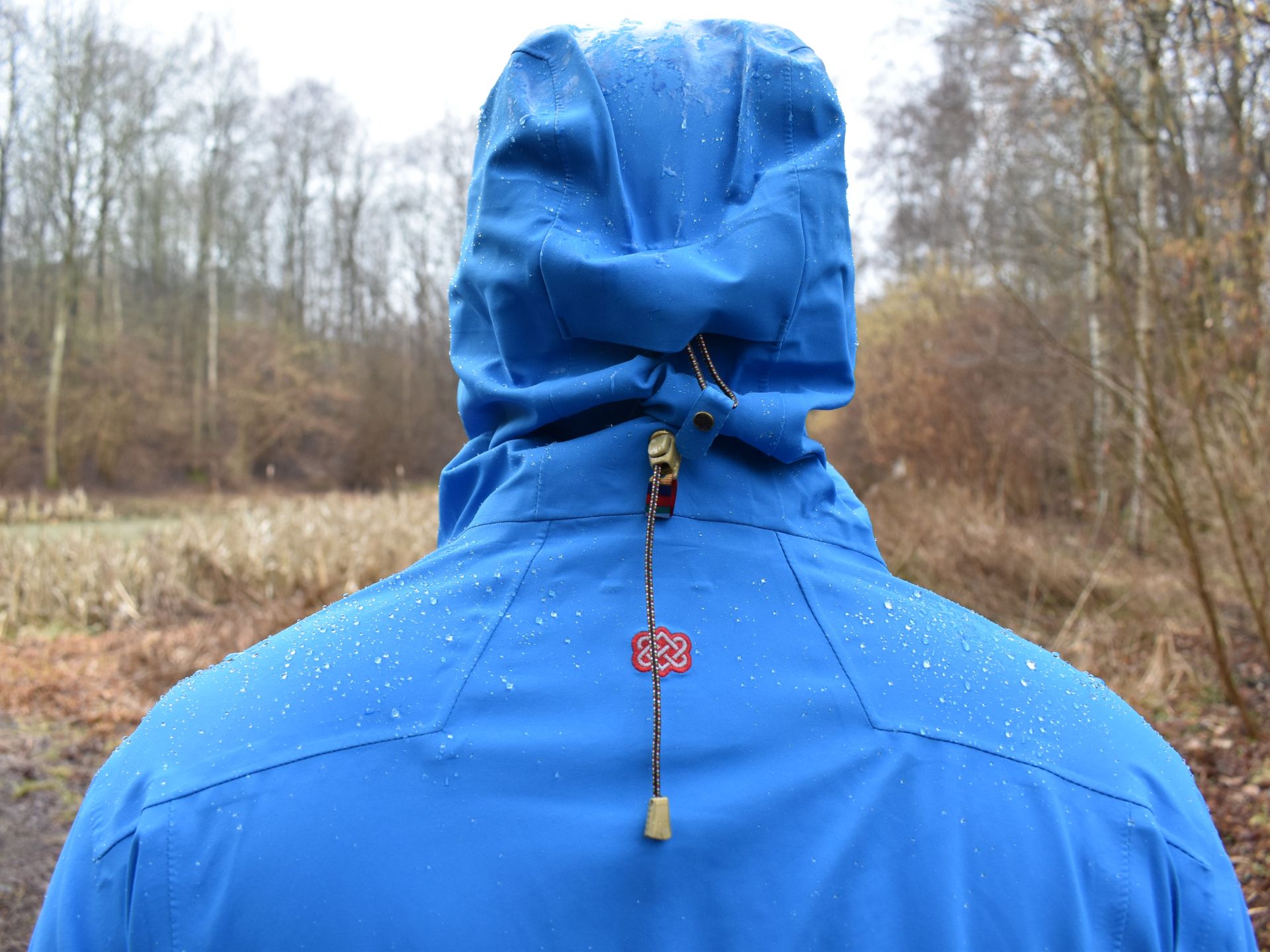
Helmet-compatible adjustable hood
The hood is one of the most important features of a Gore-Tex jacket. In wind, rain, or snow, it becomes your primary protection. A good hood should be adjustable, move with your head, and maintain visibility.
For climbing, skiing, and mountaineering, a helmet-compatible hood is essential. It must fit over a helmet without restricting movement, yet still adjust down properly when worn without one. A structured brim helps keep rain out of your eyes, and adjustment points should be easy to operate with gloves.
Poor hood design can make an otherwise excellent jacket frustrating to use in bad weather.
Ventilation, pockets, and practical features
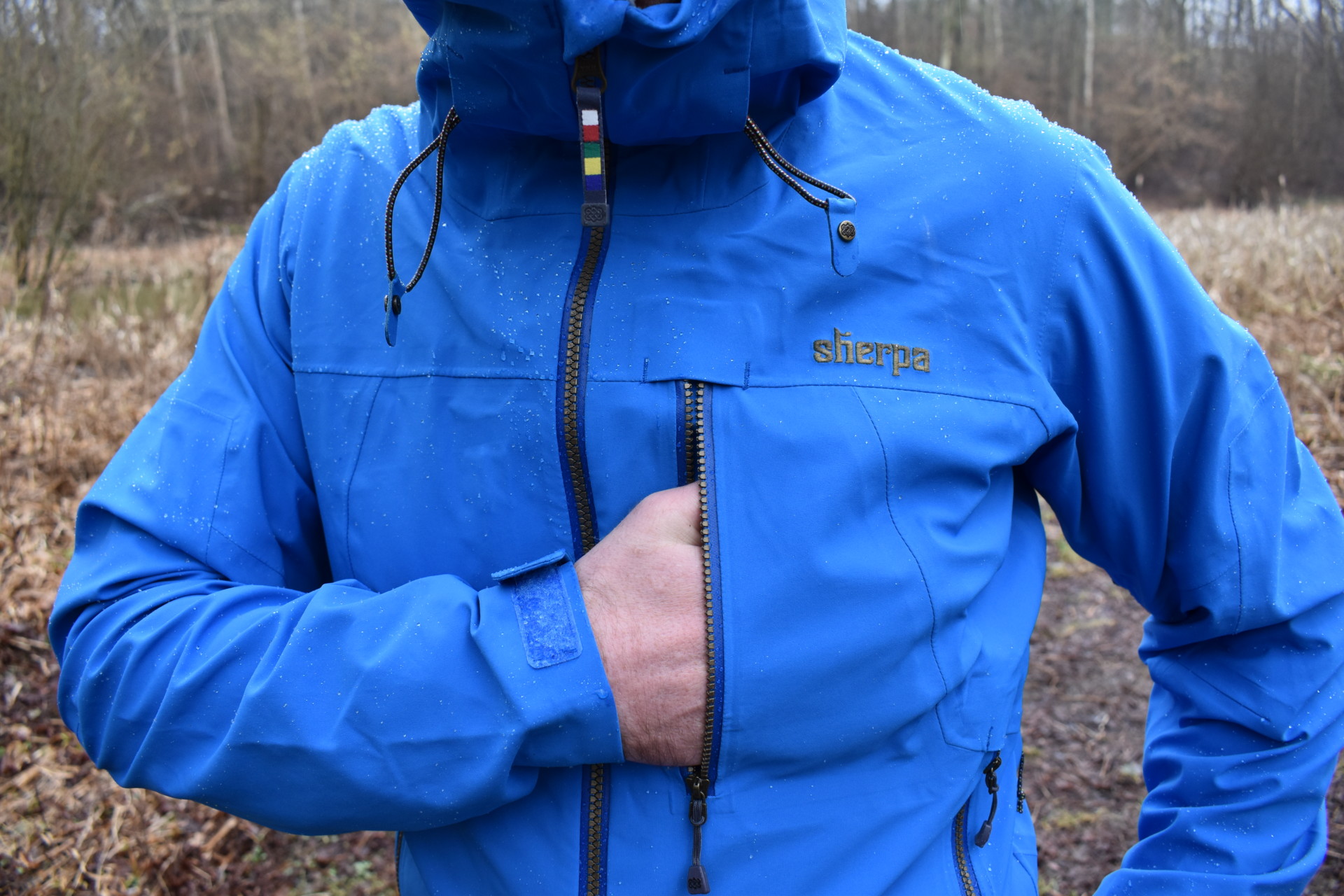
A rain jacket should have easily-accessible pockets
Mechanical ventilation is crucial, especially during high-output activities. Pit zips allow excess heat to escape quickly without exposing you directly to the elements. They are particularly valuable on heavier jackets and during steep ascents.
Pocket placement also affects usability. High-placed hand pockets remain accessible when wearing a backpack hip belt or climbing harness, while chest pockets keep essentials within reach. Minimalist jackets may omit hand pockets to save weight, which can be a reasonable trade-off for fast-and-light use.
Fully taped seams and waterproof zippers are standard on quality Gore-Tex jackets and are essential for preventing leaks in prolonged rain.
5. Choosing the right Gore-Tex jacket for your activity
Different activities place different demands on a jacket, and understanding these priorities helps narrow your choices.
Hiking and backpacking favor low weight, packability, good ventilation, and simple designs. Durability matters, but extreme abrasion resistance is rarely necessary.
Climbing and mountaineering require durable fabrics, helmet-compatible hoods, excellent mobility, and harness-friendly pocket placement. Reliability in harsh conditions is critical.
Winter use and harsh weather emphasize windproofing, robust face fabrics, and highly weather-resistant membranes such as Gore-Tex Pro. Layering compatibility and storm protection take priority over minimal weight.
The best Gore-Tex jacket isn’t the most expensive or most technical model—it’s the one that matches how and where you actually use it. Choosing with your real needs in mind leads to better comfort, longer lifespan, and a far better outdoor experience.
6. Gore-Tex Jacket Buyer Checklist
Before buying a Gore-Tex jacket, go through this checklist and make sure the jacket matches how you actually plan to use it:
- Gore-Tex membrane type:
Standard Gore-Tex for general hiking, Active for high-output activities, Paclite for emergency shells, or Gore-Tex Pro for alpine and expedition use. - Waterproofing & DWR:
Fully waterproof membrane with a high-quality DWR finish. Check that the jacket can be easily re-treated when the DWR wears off. - Breathability & ventilation:
Adequate breathability for your activity level and preferably pit zips or other mechanical ventilation for heat management. - Fabric durability (denier):
Low denier for lightweight hiking, mid-range for all-round use, high denier for climbing, winter, and rough terrain. - Weight & packed size:
Light and compact enough to carry comfortably if the jacket spends time in your backpack. - Fit & layering:
Enough room for midlayers without restricting movement. Pay attention to sleeve length and hem coverage. - Hood quality:
Adjustable hood with good coverage. Helmet compatibility if you climb, ski, or mountaineer. - Pocket placement:
Pockets accessible with a backpack hip belt or harness. Chest pockets if you value access while moving. - Zippers & seams:
Waterproof zippers and fully taped seams for long-term weather protection. - Comfort & mobility:
Fabric and cut that allow free movement and don’t feel excessively stiff or noisy. - Sustainability & longevity:
Durable construction, repairability, and preferably recycled materials or PFAS-free treatments.
If a jacket checks most of these boxes for your intended activity, you’re looking at a solid Gore-Tex shell—regardless of brand or price tag.
7. Questions and Answers
Are Gore-Tex jackets warm?
Gore-Tex jackets do not provide insulation/warmth. A Gore-Tex jacket is a shell garment which in simple terms means that it provides protection against wind, rain and snow. It is typically worn over the insulation layer (mid-layer) which is the layer providing warmth.
Are Gore-Tex jackets waterproof?
No so-called waterproof/breathable fabric is completely waterproof because there is always a tradeoff between waterproofness and breathability. Garments need to be breathable because otherwise you would soak in your own sweat due to your perspiration getting trapped.
Can you re-waterproof Gore-Tex?
Yes, you can apply DWR (Durable Water Repellant) to Gore-Tex garments. DWR ensures that the fabric repels the water rather than absorbs it.
Can you wash Gore-Tex jacket?
Most Gore-Tex jackets are machine washable. After washing, you should apply DWR because it will get washed off.