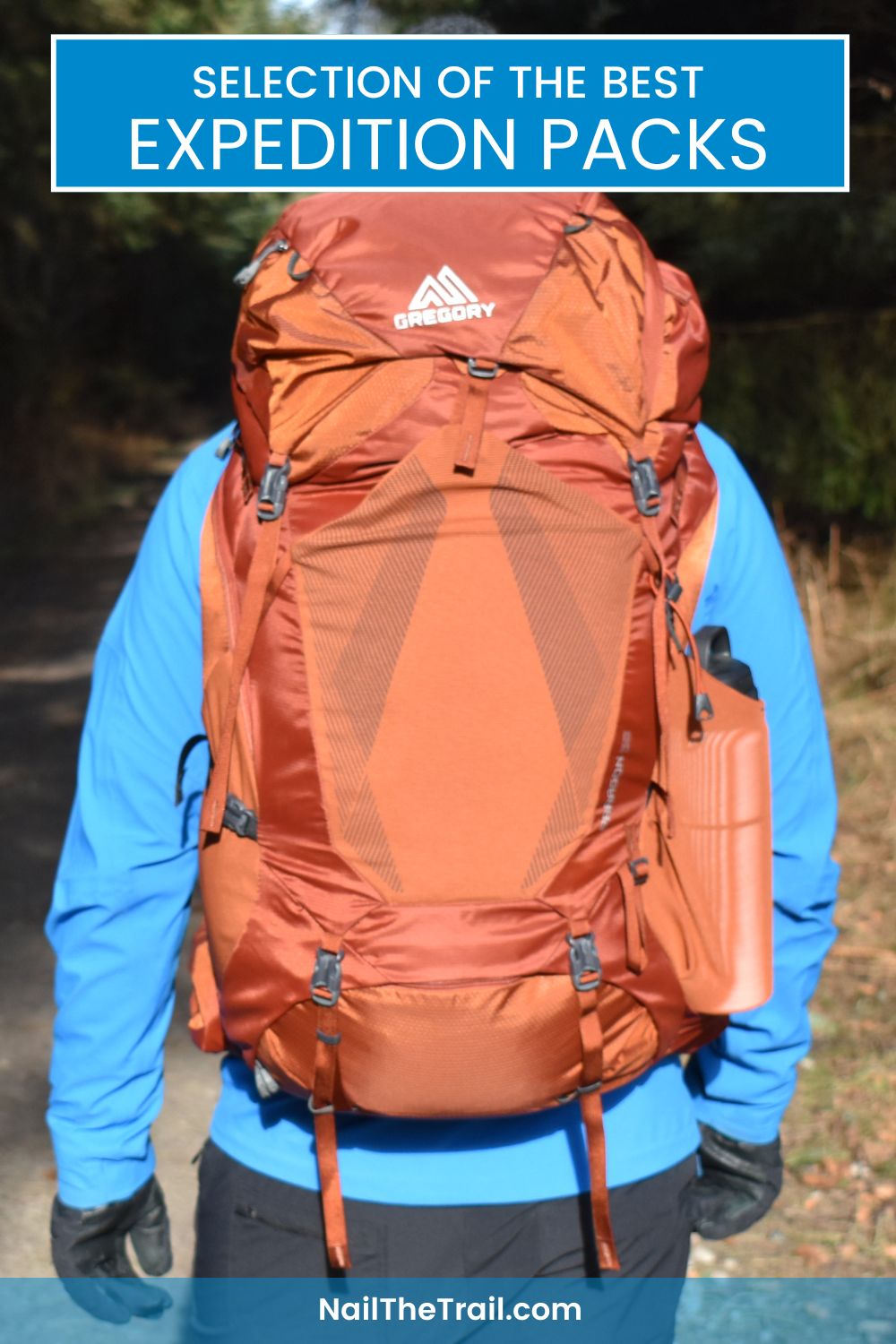
The Best Expedition Packs
When you’re heading deep into the wilderness for 5 days or more, space and support matter. A 70‑litre or larger backpack allows you to pack the food, water and extra clothing needed for long routes. However, be aware that the required capacity of a backpack greatly depends on the equipment and supplies that you need/want to carry with you. For example, winter trips require additional equipment such as crampons, gaiters, insulated clothing etc. and thus also a bigger backpack. Nevertheless, a backpack should be also sufficiently packed/filled to remain stable on your back and therefore the backpacks listed here might be too big for shorter trips. To learn more about how to properly pack a backpack for stability and comfort check out our article How to pack a backpack. The backpacks in this review are, however, perfect for extended trips of five days or more (backpacking, trekking, expeditions etc.) which require a lot of supplies (water, food etc.) and equipment (sleeping equipment, cooking equipment etc.). Due to their storage capacity and pockets, they are also perfect for travelling.
For in-depth information about how to choose the right backpack for your needs check out our Backpacks Guide.
Updated Content
We regularly update our reviews and selections to always recommend you the best products on the market.
Expert Selections
We only list top-tier products. Read how our selections of best hiking products differ from others here.
Links
We use affiliate links and may receive a small commission on purchases at no extra cost to you.
1. Our Expedition Backpack Picks
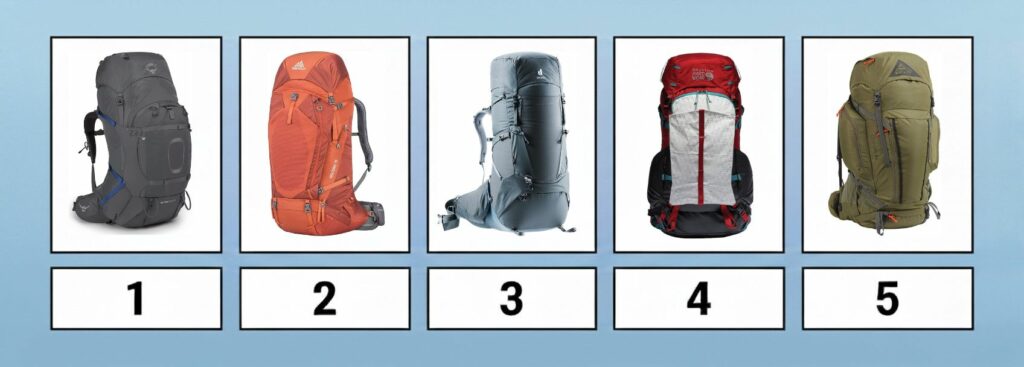
Best Expedition Packs
- Osprey Aether Plus 70
- Gregory Baltoro 75
- Deuter Aircontact Core 70 + 10
- Mountain Hardwear AMG 75
- Kelty Coyote 85
2. Comparison of Expedition Backpacks

| Feature/Product | Osprey Aether Plus 70 | Gregory Baltoro 75 | Deuter AirContact Core 70+10 | Mountain Hardwear AMG 70 | Kelty Coyote 85 |
|---|---|---|---|---|---|
| Weight | 5 lbs. 9 oz. | 5 lbs. 4 oz. (L) | 5 lbs. 9 oz. | 4 lbs. 15.4 oz. (M/L) | 4 lbs. 14 oz. |
| Weight (Metric) | 2540 g | 2370 g (L) | 2531 g | 2250 g (M/L) | 2210 g |
| Sizes | S/M, L/XL | S, M, L | One Size | S/M, M/L | One Size |
| Frame | Internal | Internal | Internal | Internal | Internal |
| Fits Torso | 16-20 in. (S/M); 19-23 in. (L/XL) | 16-18 in. (S); 18-20 in. (M); 20-22 in. (L) | 17 – 24 in | 16-19 in. (S/M); 18-21 in. (M/L) | 15.5 – 21 in. |
| Fits Torso (Metric) | 40.5-51 cm (S/M); 48-58.5 cm (L/XL) | 41-46 cm (S); 46-51 cm (M); 51-56 cm (L) | 43 – 61 cm | 41-48 cm (S/M); 46-53cm (M/L) | 39– 53 cm |
| Material | Nylon | Nylon | Nylon/Polyester | Nylon | Polyester |
| Volume | 68 (S/M); 70 (L/XL) | 71 (S); 75 (M); 79 (L) | 70 + 10 | 75 (S/M); 78 (M/L) | 85 |
| Backpanel | AirScape | Response A3 | AirContact | n/a | AMP-Flow |
| Hip Belt | Yes | Yes | Yes | Yes | Yes |
| Sternum Strap | Yes | Yes | Yes | Yes | Yes |
3. The Selection
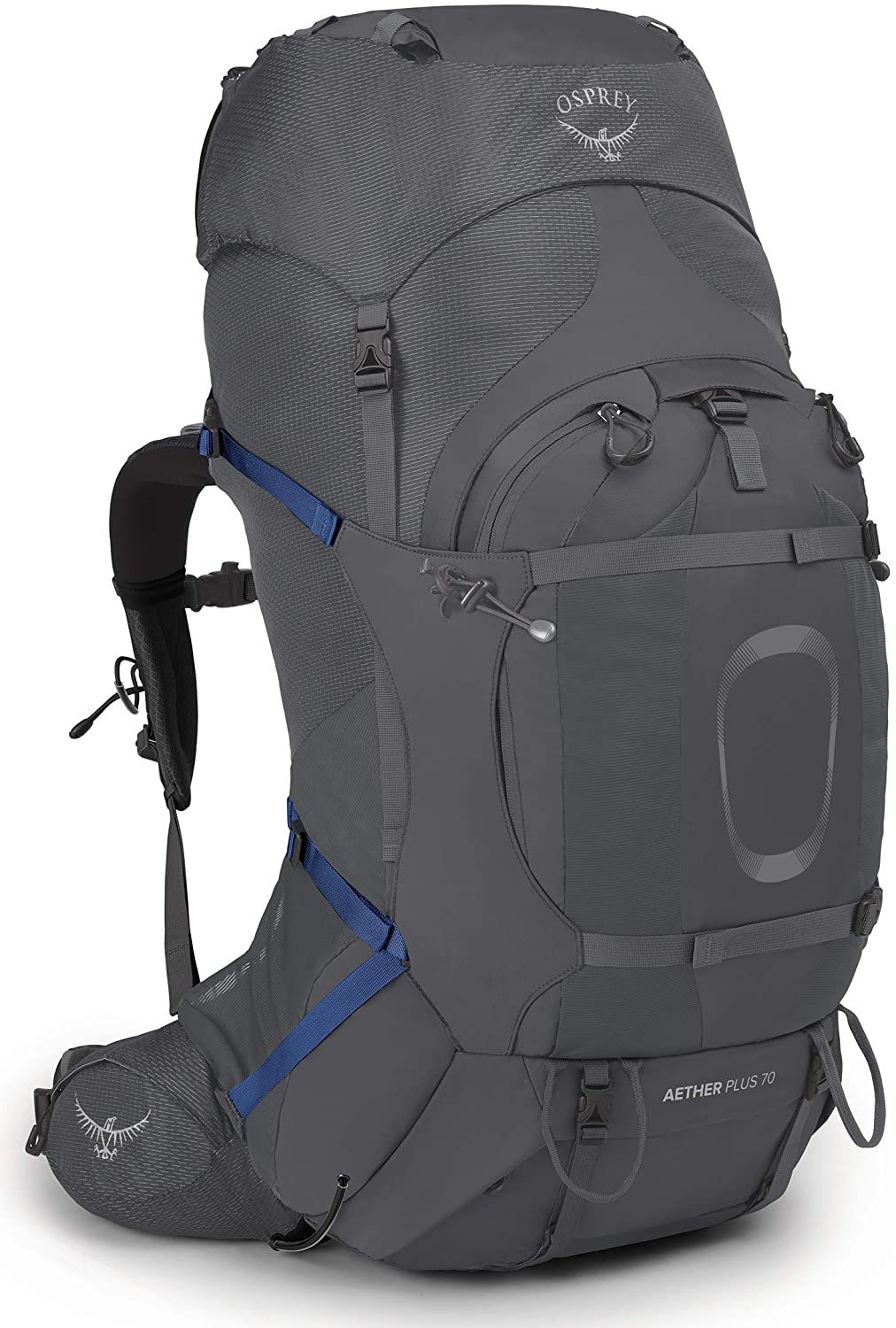
Osprey Aether 70 Plus
Osprey Aether Plus 70
Feature-rich heavy hauler
Best for:
- Long expeditions and gear-heavy backpacking trips
- Hikers who prioritize comfort under heavy loads
- Travelers and mountaineers who want excellent organization
The Osprey Aether Plus 70 is one of the most comfortable expedition backpacks currently available. Osprey designed it specifically for hauling heavy loads over long distances, and the pack excels in difficult terrain where stability and support are critical. The AirScape suspension system, thickly padded hip belt and highly adjustable Fit-on-the-Fly harness distribute weight extremely well while minimizing pressure points and pack sway.
Organization is another major strength. The Aether Plus 70 features a large U-shaped front zipper for quick access to the main compartment, a bottom sleeping bag compartment, multiple lid pockets, hip belt pockets, side stretch pockets and a large front shove-it pocket. We especially like that the removable lid doubles as a lightweight daypack for summit pushes and shorter excursions from basecamp. The pack also includes removable sleeping pad straps, trekking pole attachments, ice axe loops and an integrated rain cover.
Durability is excellent. The nylon fabric and reinforced construction handle abrasion, moisture and rough handling very well. Ventilation is decent for such a supportive backpack, although the thick padding can still feel warm in hot climates. The biggest downside is weight. At more than 5.5 pounds, this is definitely not an ultralight pack. Nevertheless, for users carrying heavy expedition loads, the comfort and functionality more than justify the extra ounces.
Women's Version: Available - Osprey Ariel Plus 70
Note: Women's version might slightly differ from the men's version.
Performance Score
The Advantages
- Outstanding comfort with heavy loads
- Excellent access and organization
- Removable lid doubles as daypack
- Highly adjustable Fit-on-the-Fly suspension
- Integrated rain cover included
- Durable construction and materials
The Considerations
- Very heavy
- Expensive
- Can feel overbuilt for lighter trips
- Ventilation is decent but not class-leading

Video
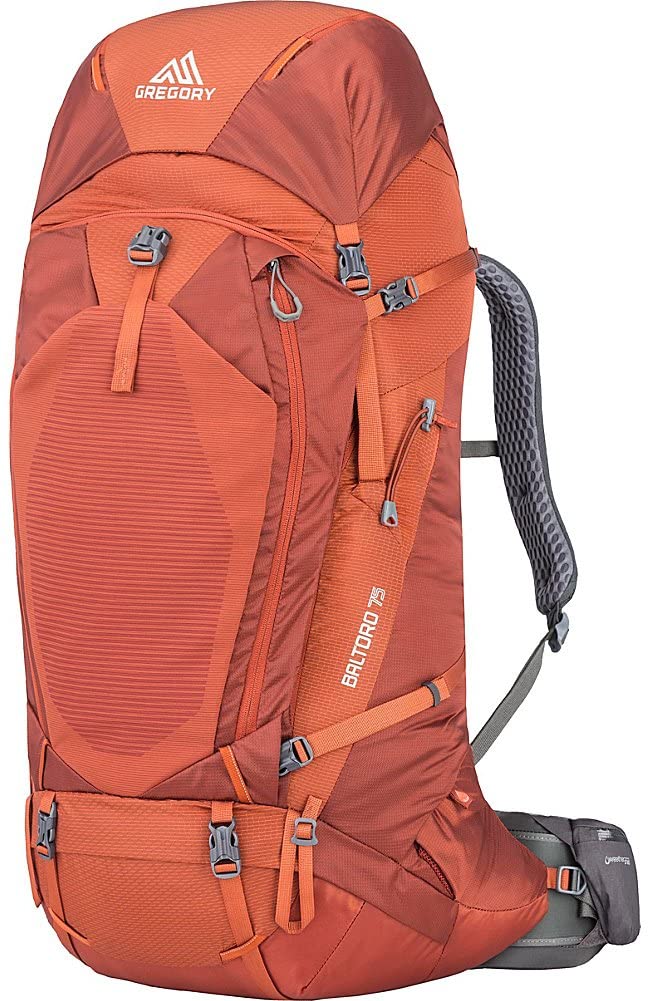
Gregory Baltoro 75
Gregory Baltoro 75
Deluxe load comfort
Best for:
- Backpackers carrying very heavy loads
- Photographers and mountaineers hauling bulky gear
- Users who want premium comfort and extensive organization
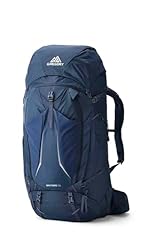
The Gregory Baltoro 75 has long been one of the best expedition backpacks for carrying heavy gear comfortably. Gregory’s A3 suspension system allows the pack to move naturally with your body while maintaining excellent stability and load transfer. The rotating hip belt, auto-rotating shoulder straps and supportive alloy frame help the pack feel surprisingly stable even when loaded close to its maximum carrying capacity.
Storage and accessibility are exceptional. The Baltoro features top, front and bottom access to the main compartment as well as numerous pockets for organizing gear. There are large side zippered pockets, multiple lid pockets, front stash pockets and generously sized hip belt pockets. We especially like the front-loading zipper because it allows easy access to gear deep inside the pack without unloading everything from the top.
Comfort is where the Baltoro really shines. The AirCushion back panel provides impressive ventilation for such a supportive design, and the thick hip belt padding distributes weight extremely well during long days on the trail. The downside is that the Baltoro is heavy and arguably over-organized for minimalist users. However, if comfort and organization matter more than shaving ounces, the Baltoro remains one of the best expedition backpacks available.
Women's Version: Available - Gregory Deva 70
Note: Women's version might slightly differ from the men's version.
Performance Score
The Advantages
- Exceptional carrying comfort
- Excellent front and bottom access
- Very stable under heavy loads
- Highly adjustable suspension system
- Excellent ventilation for a heavy-hauler
- Durable fabrics and construction
The Considerations
- Heavy
- Expensive
- May have too many pockets for minimalist users
- Rain cover sold separately
Video

Deuter Aircontact Core 70 + 10 L
Best value expedition backpack
Best for:
- Backpackers looking for premium comfort at a lower price
- Long-distance trekking and travel
- Users who want a highly adjustable fit
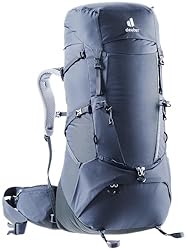
The Deuter Aircontact Core 70 + 10 L offers an excellent balance between comfort, durability and value. It evolved from the highly respected Aircontact Lite series and improves several important areas including organization, accessibility and fit customization. The pack is built for long-distance trekking and comfortably handles heavy multi-day loads while remaining slightly more affordable than many flagship competitors.
One of the biggest upgrades is the front-loading zipper access which dramatically improves accessibility compared to traditional top-loading expedition packs. The Aircontact Core also features a highly adjustable VariSlide suspension system that allows users to dial in torso length very precisely. Combined with the padded hip belt and supportive frame, the pack transfers weight efficiently and remains comfortable over long distances.
The backpack includes numerous useful expedition features such as sleeping pad straps, multiple external attachment points, hydration compatibility, side pockets and a spacious front stash pocket. Durability is excellent and Deuter’s updated fabrics and reinforced mesh pockets feel tougher than previous generations. Ventilation is also improved thanks to better airflow in the shoulder straps and back panel.
The Aircontact Core is not the lightest pack available and the shoulder strap design may still rub slightly for some users. Nevertheless, considering the comfort, durability and price, it is one of the best expedition backpack values on the market.
Women's Version: Available - Women's Deuter Aircontact Core 60+10
Note: Women's version might slightly differ from the men's version.
Performance Score
The Advantages
- Excellent value for money
- Very comfortable suspension system
- Front-loading access improves usability
- Highly adjustable torso fit
- Durable construction
- Good ventilation improvements
The Considerations
- Still fairly heavy
- Shoulder straps may rub for some users
- Not as feature-rich as premium competitors
- No integrated rain cover
Mountain Hardwear AMG 75
Mountain Hardwear AMG 75
Best technical expedition backpack
Best for:
- Mountaineering and alpine expeditions
- Guides and climbers carrying technical gear
- Harsh weather and high-altitude environments
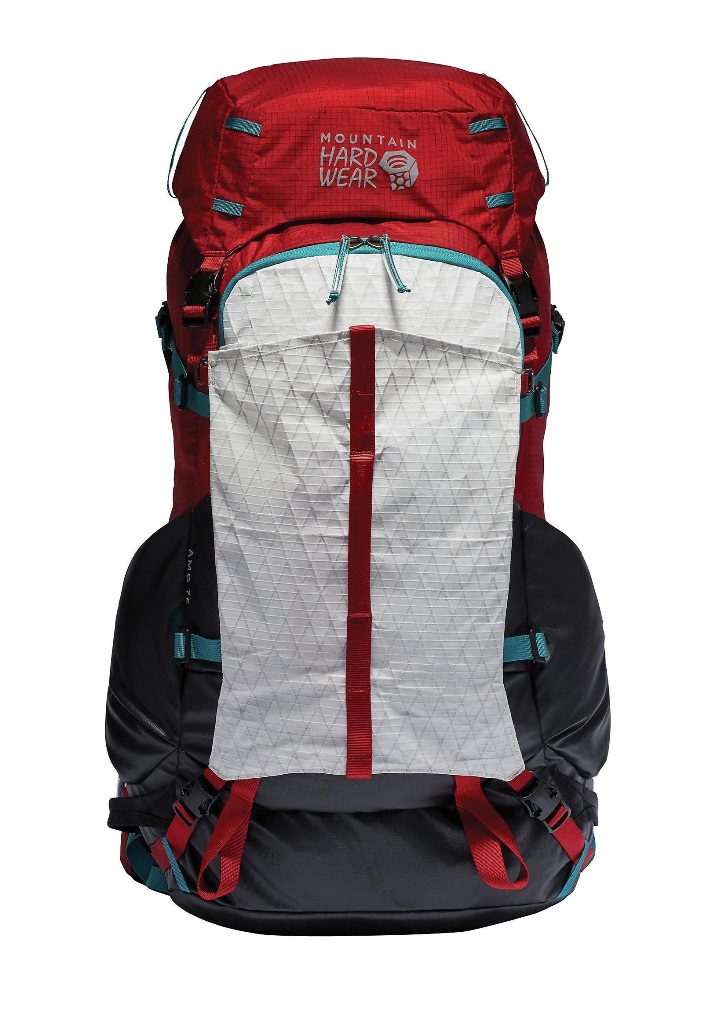
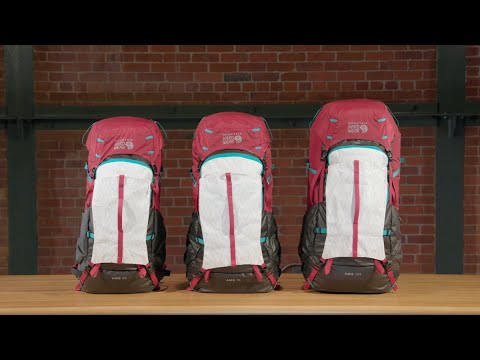
The Mountain Hardwear AMG 75 is a true expedition backpack built for serious alpine objectives. Unlike more travel-oriented trekking packs, the AMG 75 focuses heavily on stability, durability and technical attachment options for mountaineering and glacier travel. It is designed to carry large, heavy loads across difficult terrain while keeping gear secure and accessible.
The pack uses an aluminum frame combined with a pivoting hip belt that helps maintain efficient weight transfer while allowing natural movement on steep terrain. The heavily padded suspension handles heavy loads extremely well and feels very stable when scrambling or climbing. We also like the stand-up base design which makes packing and unpacking easier in snowy or rocky camps.
Organization is very expedition-focused. The AMG 75 includes large front stash pockets for crampons and avalanche tools, oversized side pockets, multiple lash points, rope carry options, ski carry compatibility and reinforced haul loops for sled pulling. The highly durable fabrics and water-resistant coatings are also excellent for harsh mountain environments.
The downside is that the AMG 75 is less versatile for casual backpacking or travel. It is expensive, highly specialized and lacks some of the convenience features found on trekking-focused packs. However, for alpine climbing and demanding expeditions, it is one of the toughest and most capable backpacks available.
Women’s Version: No – this product is unisex and can thus be used by all. Be aware of sizing, though.
Performance Score
The Advantages
- Extremely durable expedition construction
- Excellent load stability
- Outstanding technical attachment options
- Very supportive suspension system
- Built for alpine and high-altitude use
- Highly weather resistant fabrics
The Considerations
- Expensive
- Overkill for casual backpacking
- Heavy
- Less travel-friendly than trekking packs
Video
Kelty Coyote 65
Kelty Coyote 65
Best budget expedition backpack
Best for:
- Beginner backpackers and budget-conscious users
- Hikers with smaller frames and shorter torsos
- Occasional expedition and backpacking trips
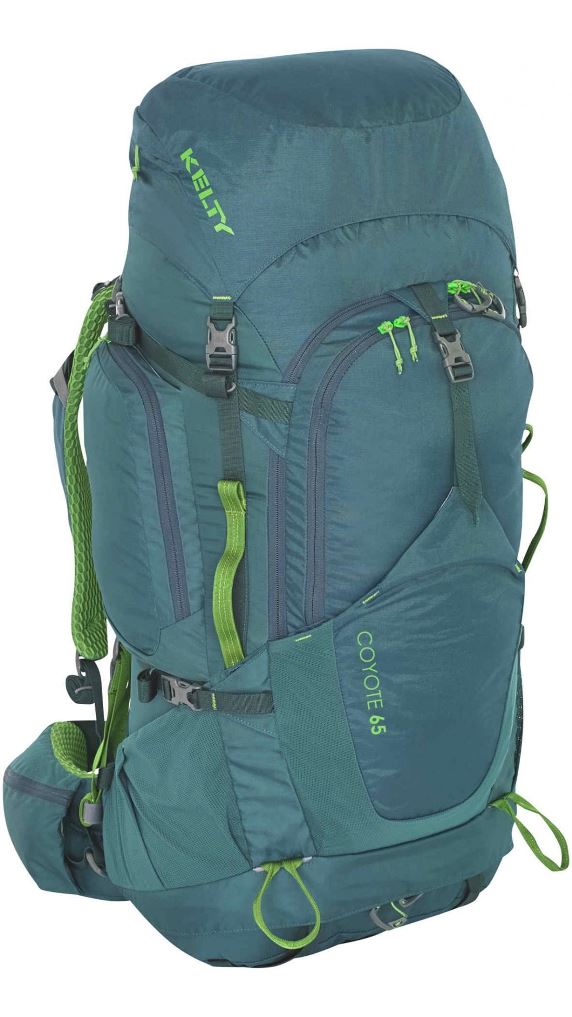
The Kelty Coyote 65 remains one of the best affordable expedition-style backpacks on the market. While it lacks the premium refinement of higher-end competitors, it offers very good storage, durability and adjustability at a much lower price. The classic design includes numerous pockets, side storage compartments and a large main compartment that easily fits bulky expedition gear.
The adjustable torso system works particularly well for smaller users and shorter torsos. The pack also includes a sturdy internal frame and multiple compression straps which help stabilize moderate expedition loads. Accessibility is good thanks to the bottom zipper entry and large organizational pockets throughout the exterior.
The biggest compromise is carrying comfort under heavy loads. The padding and suspension system are less supportive than those on premium packs like the Baltoro or Aether Plus, especially above 30 pounds. Taller users may also experience discomfort because the adjustable back panel loses rigidity when fully extended. However, for users who want a dependable expedition backpack without spending a fortune, the Kelty Coyote offers excellent value.
Women’s Version: No – this product is unisex and can thus be used by all. Be aware of fitting it properly, though.
Performance Score
The Advantages
- Affordable price
- Good organization and storage
- Durable fabric and frame
- Adjustable torso system
- Works well for smaller frames
- Good value for beginners
The Considerations
- Comfort drops with heavier loads
- Heavy for the price category
- Less supportive suspension system
- Not ideal for taller users carrying expedition weights
Video

4. Expedition Backpack Buying Advice – What is important?
Frame, Suspension, and Load Carrying Comfort
Frame, Suspension, and Load Carrying Comfort
An expedition backpack is designed to carry heavy loads over long distances, and that only works if the suspension system does its job properly. A supportive internal frame is essential because it gives the pack rigidity and allows weight to transfer efficiently from your shoulders down to your hips. Since your hips are supported by larger and stronger muscle groups than your shoulders, this transfer significantly reduces fatigue and overall exertion, especially when carrying loads above 25 kg.
The hip belt plays a critical role here. A wide, well-padded hip belt that wraps securely around your iliac crest is what allows the frame to do its work. On expedition packs, the hip belt should feel substantial and supportive rather than minimalist. Some high-end designs even allow a degree of pivot or flex, which helps the pack move naturally with your body and improves balance on uneven terrain. A study from Murdoch university in Australia concluded that hip belt drastically increases level of stability and decreases level of exertion.
Shoulder straps matter too, but not because they should carry most of the weight. Instead, they should stabilize the load, prevent sway, and remain comfortable over long days. Proper padding density, ergonomic shaping, and adjustable load lifters all contribute to keeping the pack balanced and close to your back. When evaluating expedition backpacks, comfort under heavy load is non-negotiable. It’s the difference between a manageable trip and a miserable one.
Fit and Adjustability
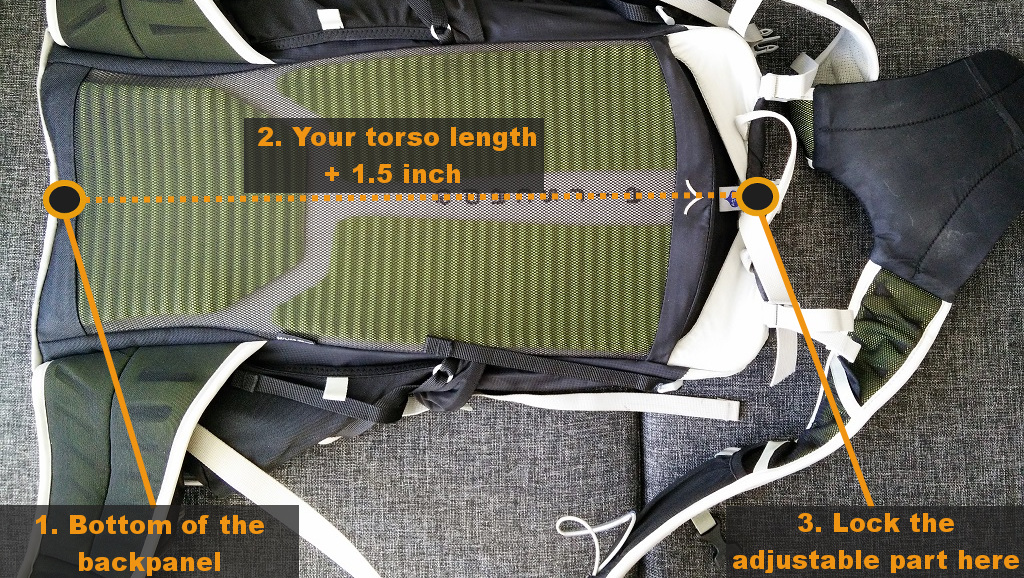
Adjusting the backpack to fit your torso length
Even the most advanced expedition backpack will feel terrible if it doesn’t fit your body correctly. Torso length is the most important measurement when choosing a pack, as it determines where the hip belt and shoulder straps sit relative to your body. If the pack is too long or too short for your torso, weight distribution suffers and pressure points quickly develop. Your torso length is the distance between the bony bump at the base of your neck and the tops of your hipbones (learn how to measure your torso length in the fit section of our Hiking Backpacks Guide). In the comparison table above, we have listed the respective torso length(s) which each backpack fits. It is also important to adjust the backpack correctly. Learn how to adjust the backpack in our article How to fit a backpack.
Most expedition backpacks are available in multiple sizes, and many also feature adjustable harness systems that allow you to fine-tune the fit. This adjustability is especially valuable if you’re between sizes, layering bulky clothing, or sharing the pack between users. A properly fitted pack should place the hip belt squarely on your hips, with shoulder straps wrapping smoothly over your shoulders without gaps or excessive pressure.
Adjustability doesn’t stop at torso length. Look for packs with adjustable sternum straps, load lifters, and hip belt tensioning that can be adjusted precisely. On long expeditions, your body can change because fatigue sets in, layers come on and off, and terrain varies. So, the ability to re-adjust your pack on the fly is certainly important.
Backpanel Design and Ventilation
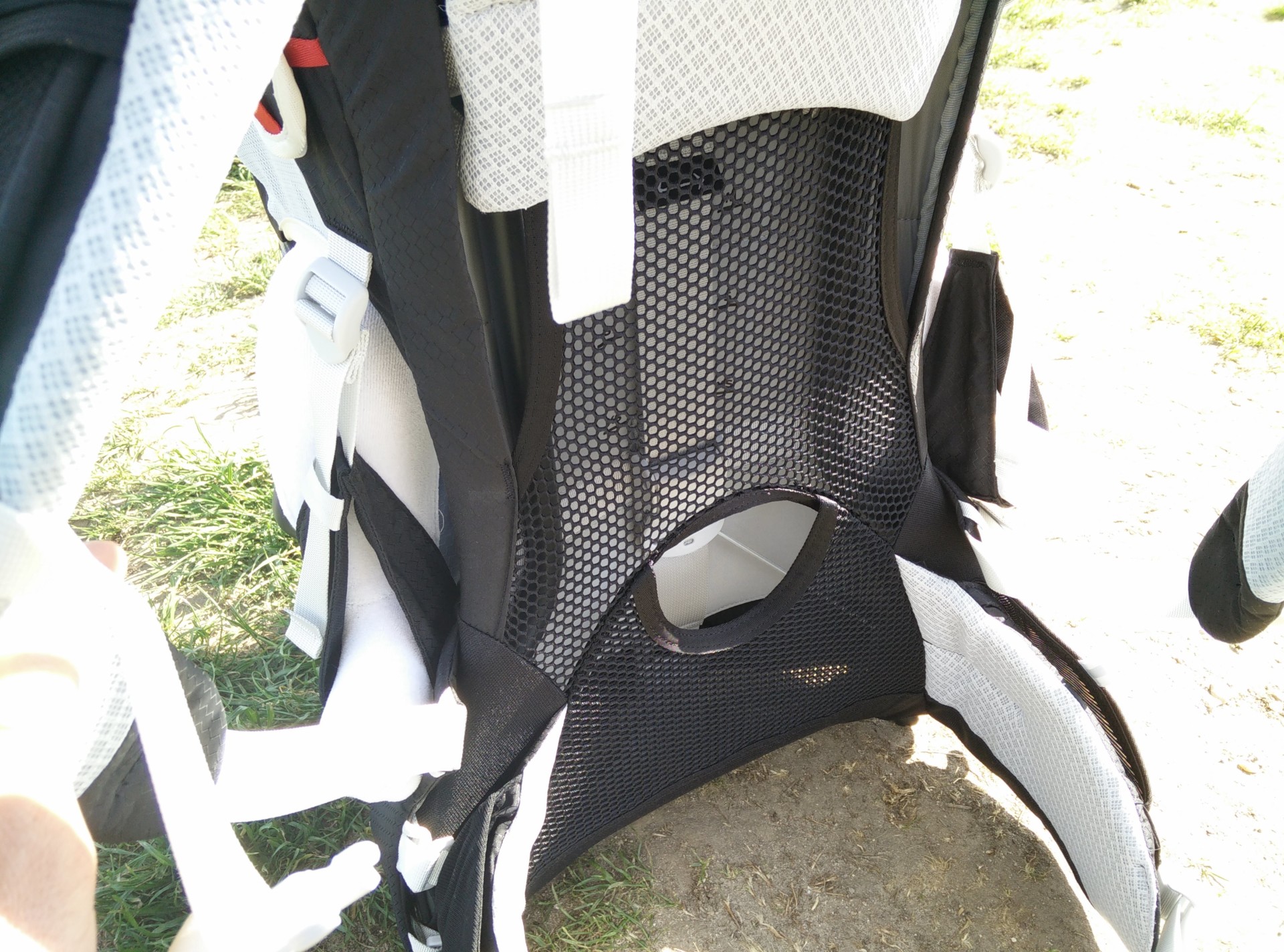
That’s how a ventilated backpanel looks like
Because expedition backpacks sit close to your body and carry heavy loads, backpanel design has a major impact on comfort—especially over multiple days. Many expedition packs use ergonomically shaped foam panels with ventilation channels that allow airflow between your back and the pack. Others go a step further with suspended mesh or “trampoline” designs that create a physical gap between your back and the pack body. This greatly improves ventilation and keeps your back drier, which can be a real advantage during high-output days.
That said, ventilation is always a trade-off. More airflow can sometimes mean slightly less stability, particularly with very heavy loads. For expedition use, the goal is balance: enough ventilation to manage sweat, but not at the expense of load control.
Weight and Weight-to-Volume Ratio
While expedition backpacks are never ultralight, weight still matters. Every extra kilo on your back increases energy expenditure, heart rate, and fatigue. This is why the weight-to-volume ratio is a more meaningful metric than weight alone. A 75–90 liter pack that’s unnecessarily heavy will slow you down long before the gear inside becomes the problem.
The best expedition backpacks hit a balance between durability, support, and weight. Modern designs use lighter aluminum frames, optimized fabric layouts, and streamlined features to keep weight under control without compromising performance. In practice, a lighter pack allows you to hike longer, recover faster, and maintain better overall efficiency on extended trips. Read more about why it is important to use lightweight gear for hiking in our article Why hike lightweight.
It’s also worth remembering that heavier packs often encourage overpacking. Choosing a reasonably lightweight expedition backpack forces more thoughtful gear selection, which usually results in a better overall experience. The goal isn’t minimalism at all costs, it’s efficiency.
Storage, Organization, and Accessibility
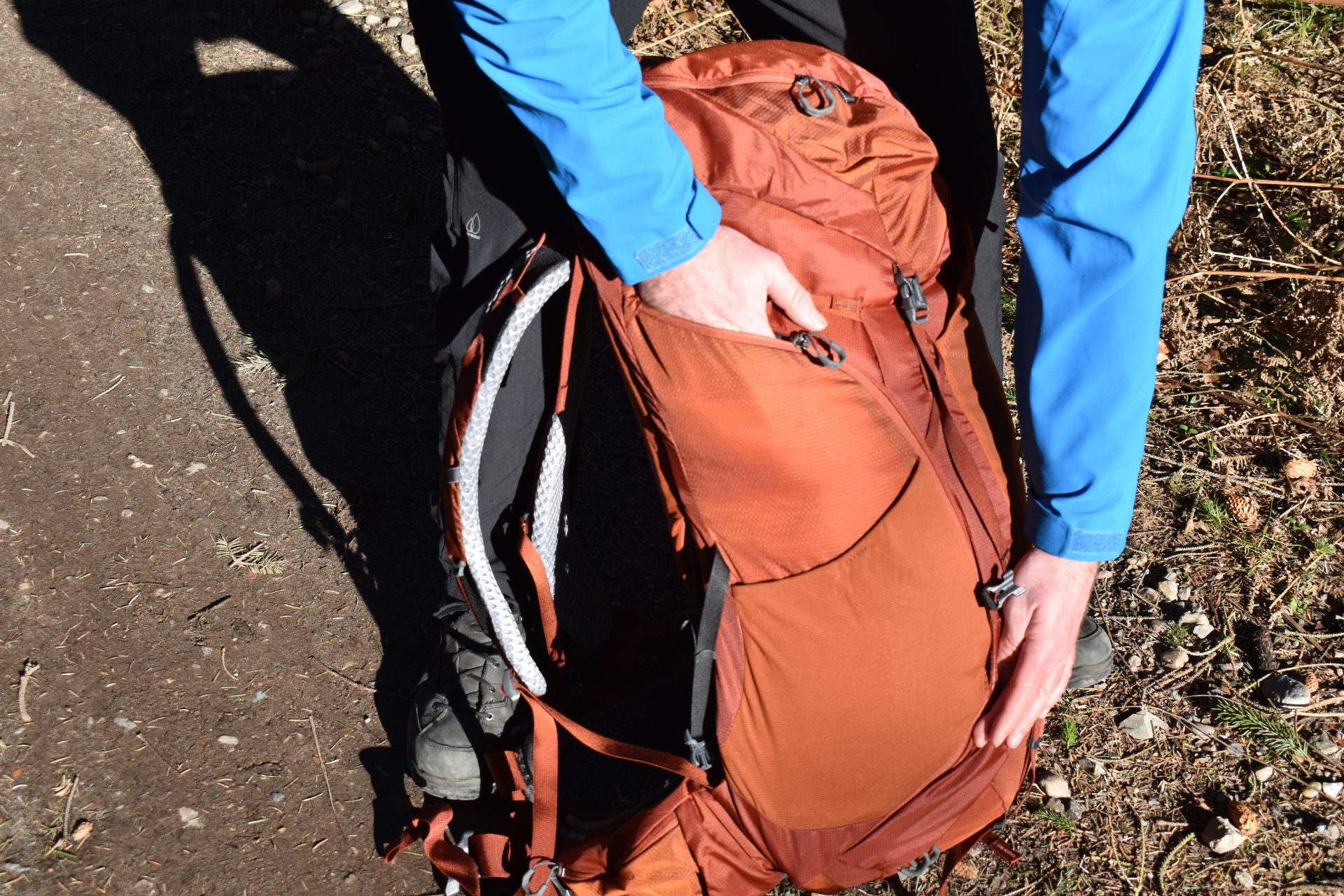
Pockets and access to the main compartment are important
With capacities often exceeding 70 liters, expedition backpacks need more than just a big main compartment. Smart organization makes a huge difference when you’re living out of your pack for days or weeks. Multiple access points such as top-loading openings, side zips, or front panels allow you to reach gear without unpacking everything.
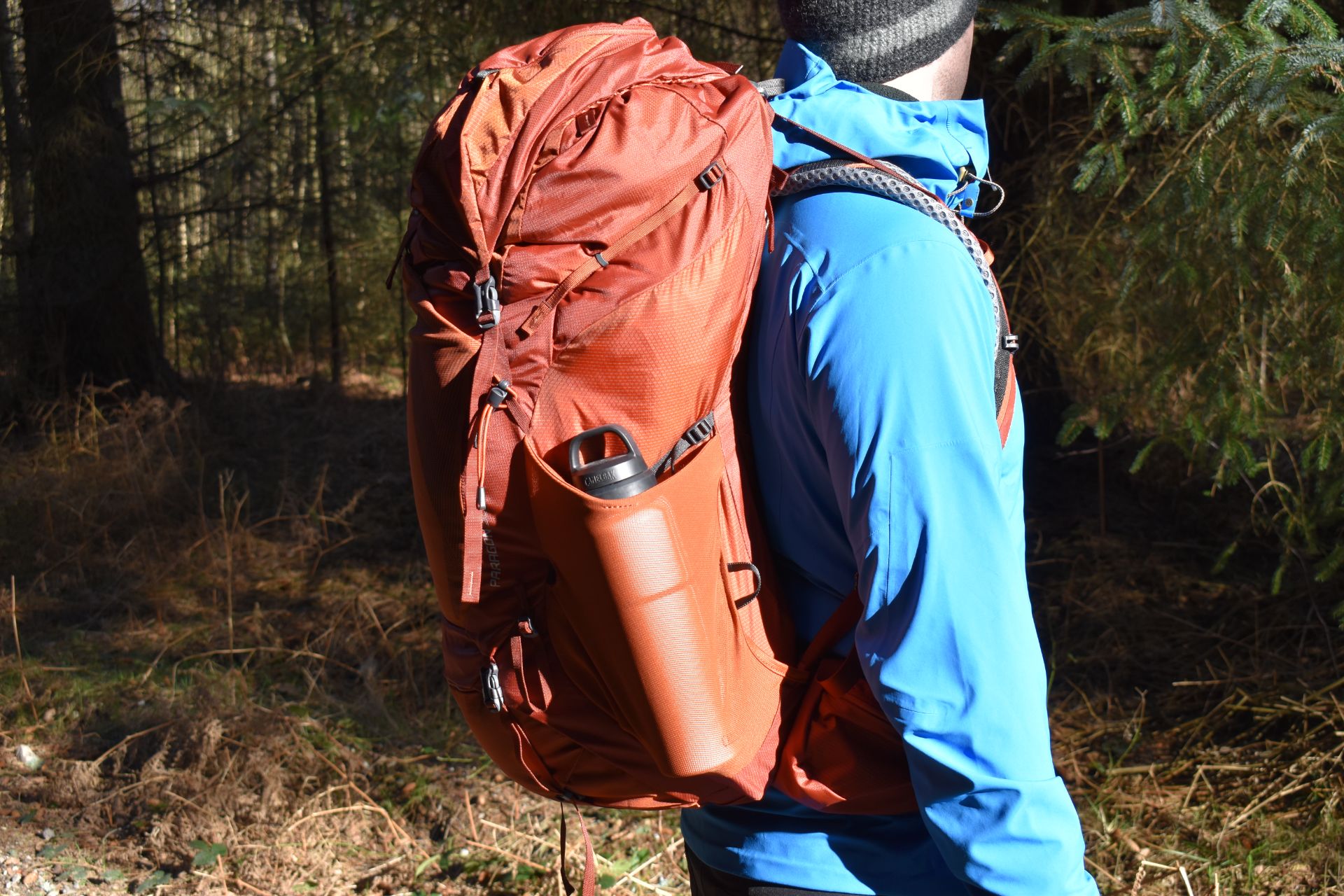
External pockets are equally important. Large front stash pockets are ideal for wet layers, side pockets for water bottles or tent poles, and lid pockets for essentials you want close at hand. Hip belt pockets, while sometimes overlooked on large packs, are incredibly useful for snacks, GPS devices, or a phone.
Attachment points are another expedition essential. Ice axe loops, trekking pole attachments, compression straps, and gear loops allow you to carry bulky or technical equipment securely. The best expedition backpacks let you adapt the pack to your trip, whether you’re hauling mountaineering gear, winter equipment, or extra supplies for long resupply gaps.
Stability and Load Control
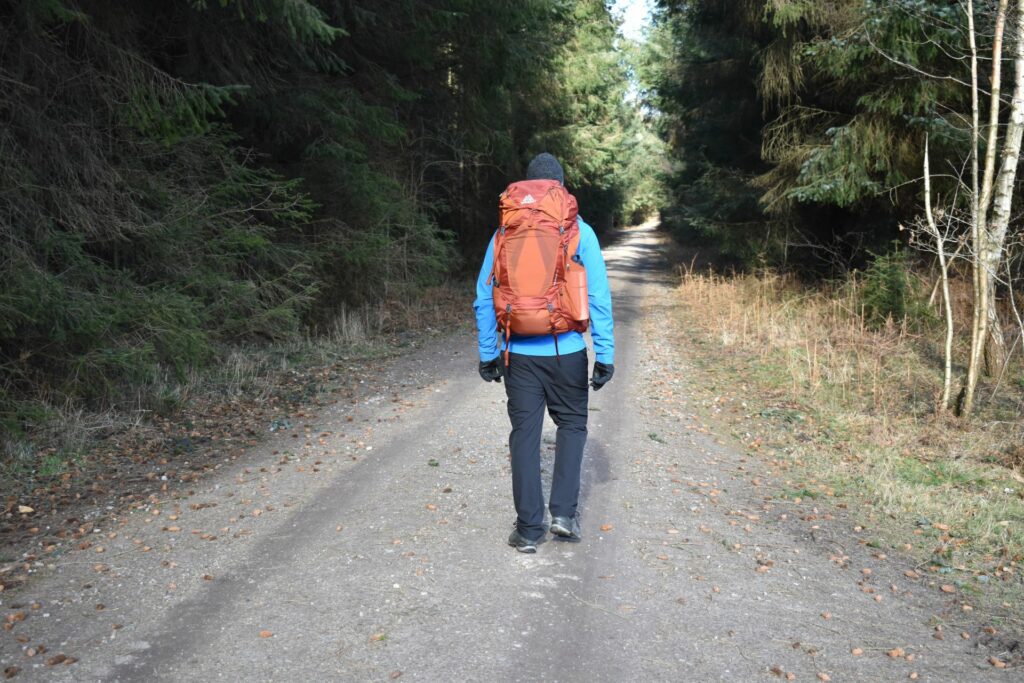
Stability and Load Control
Stability becomes increasingly important as pack size and weight increase. A well-designed expedition backpack should keep the load close to your center of gravity and prevent unwanted sway, especially when scrambling, crossing uneven terrain, or stepping over obstacles.
Compression straps play a key role here. They allow you to cinch down the load as food and fuel are consumed, maintaining balance throughout the trip. A pack that compresses poorly can become top-heavy and awkward, increasing the risk of falls and fatigue.
Frame shape and pack proportions also influence stability. Packs that are excessively tall and narrow tend to feel tippy when fully loaded, while more balanced designs maintain better control. When properly packed, a stable expedition backpack should stand upright on the ground and feel predictable when you move—an underrated but crucial quality on long, demanding trips.
Hydration System Compatibility
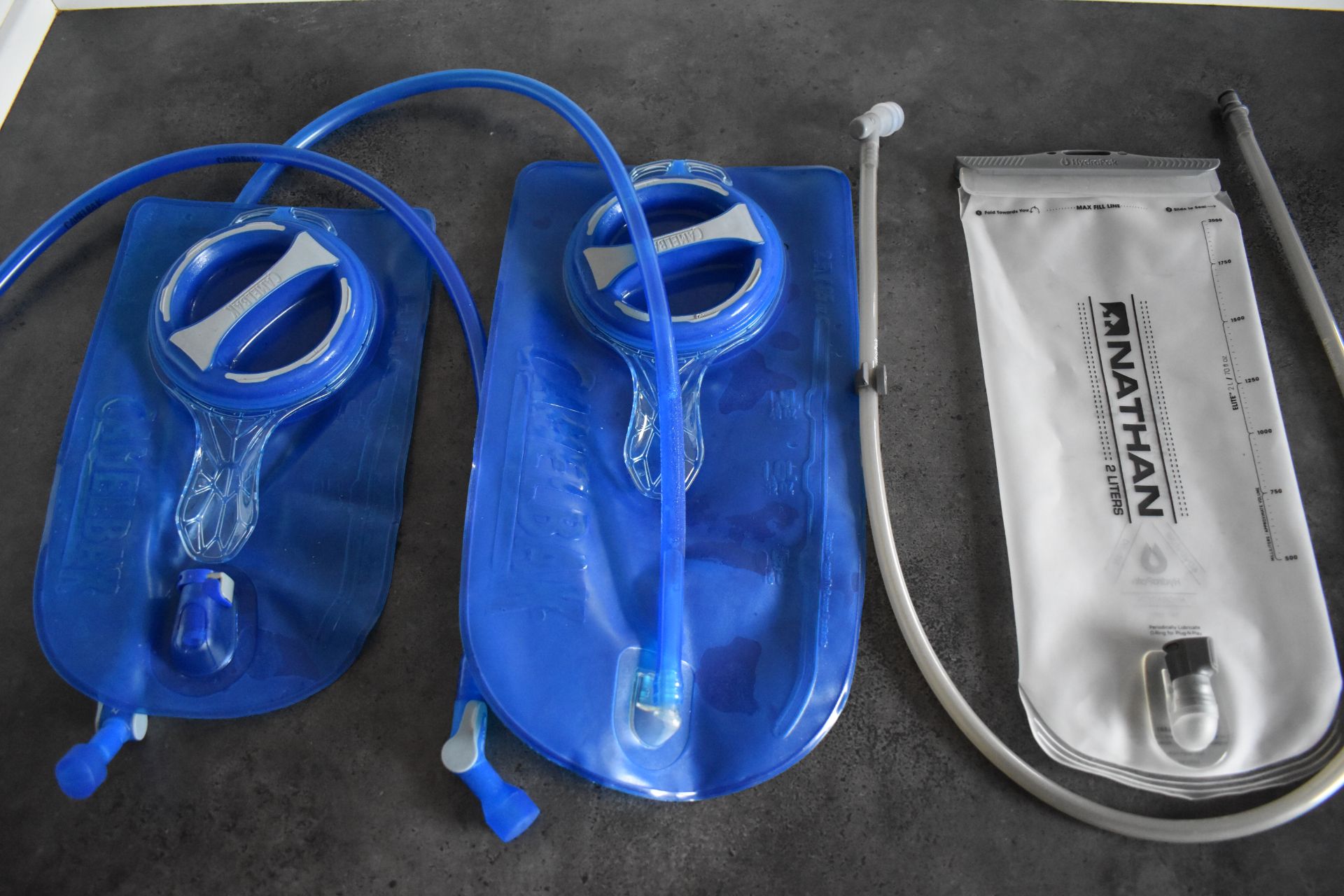
Hydration bladder
Staying hydrated on long expeditions is essential, and hydration system compatibility makes this far easier. Most expedition backpacks include an internal sleeve for a hydration bladder and routing ports for the drinking hose. This allows you to drink regularly without stopping or removing your pack, which helps maintain pace and energy levels.
Hydration sleeves also prevent the bladder from shifting or getting crushed by heavy gear. On extended trips, this reliability matters. Leaks or awkward access quickly become frustrating. Some hikers still prefer water bottles, but expedition packs typically support both systems through side pockets and compression straps.
Ultimately, hydration compatibility is about efficiency and comfort. The easier it is to drink, the more likely you are to stay properly hydrated. To learn more about the advantages and disadvantages of hydration systems please read our article Hydration Systems VS. Water Bottles. If you don’t already have a hydration bladder, check out our review of the Best Hydration Bladders.